Epictetus quotes
18 passages from Epictetus, each with its exact source in George Long’s public-domain translation.
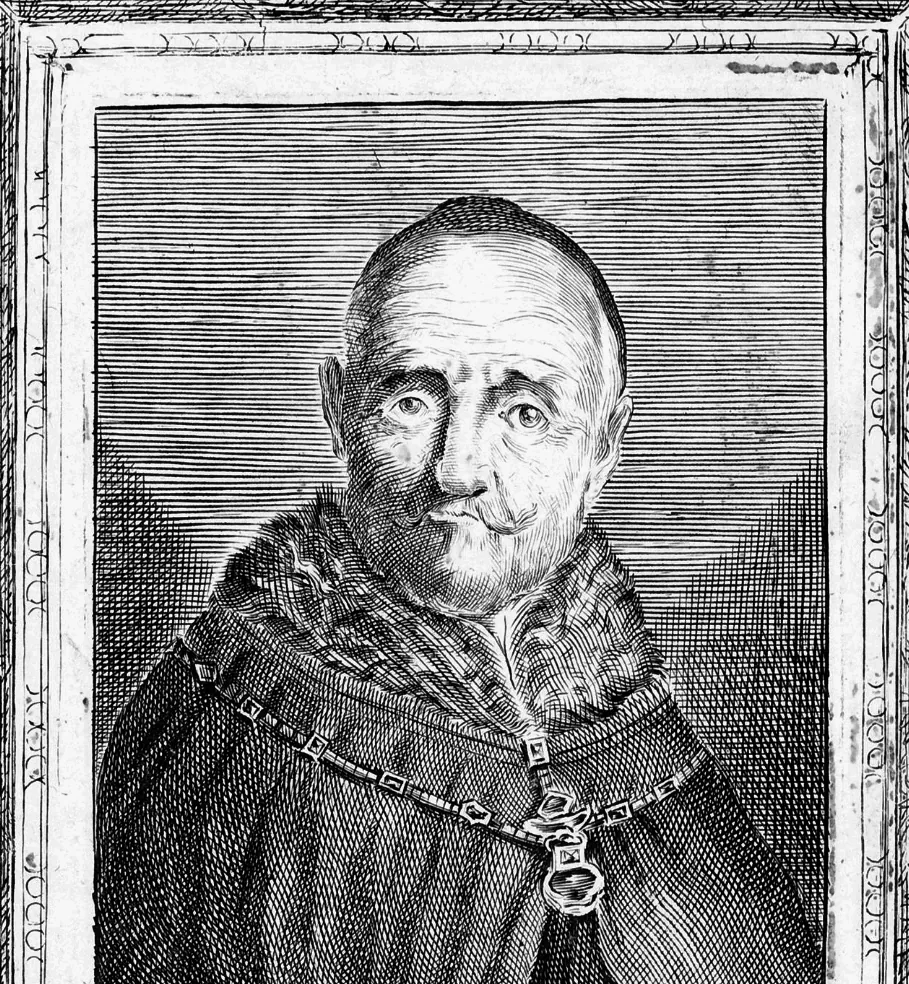
Epictetus was born a slave, studied Stoicism under Musonius Rufus and, once freed, taught in Rome and then at Nicopolis in Greece. His lectures survive through his student Arrian, in the Discourses and the short Enchiridion (Handbook).
- 01
“Nothing great, said Epictetus, is produced suddenly, since not even the grape or the fig is.”
- 02
“Who then is the invincible? It is he whom none of the things disturb which are independent of the will.”
- 03
“It is circumstances (difficulties) which show what men are.”
- 04
“For it is impossible for a man to begin to learn that which he thinks that he knows.”
- 05
“Every habit and faculty is maintained and increased by the corresponding actions…”
- 06
“He is free who lives as he wishes to live…”
- 07
“Of things some are in our power, and others are not.”
- 08
“Men are disturbed not by the things which happen, but by the opinions about the things…”
- 09
“Seek not that the things which happen should happen as you wish; but wish the things which happen to be as they are, and you will have a tranquil flow of life.”
- 10
“Never say about any thing, I have lost it, but say I have restored it.”
- 11
“If you would improve, submit to be considered without sense and foolish with respect to externals.”
- 12
“Remember that it is not he who reviles you or strikes you, who insults you, but it is your opinion about these things as being insulting.”
- 13
“Let death and exile and every other thing which appears dreadful be daily before your eyes; but most of all death: and you will never think of any thing mean nor will you desire any thing extravagantly.”
- 14
“Immediately prescribe some character and some form to yourself, which you shall observe both when you are alone and when you meet with men.”
- 15
“Every thing has two handles, the one by which it may be borne, the other by which it may not.”
- 16
“On no occasion call yourself a philosopher, and do not speak much among the uninstructed about theorems (philosophical rules, precepts): but do that which follows from them.”
- 17
“The condition and characteristic of an uninstructed person is this: he never expects from himself profit…”
- 18
“How long will you then still defer thinking yourself worthy of the best things…”
Epictetus quote cards

More: Marcus Aurelius · Seneca · What is Stoicism?